It was a great pleasure to collaborate with two of my favorite organizations – Kentuckians for the Commonwealth (KFTC) and the Transformative Justice Coalition (TJC) to help maximize voter turnout in Kentucky’s 2023 election.
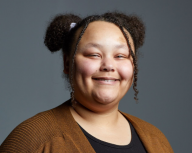
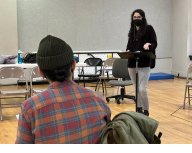
I am Quincy Robinson, and I am a senior sociology major at the University of Louisville, a TJC Fellow, and a KFTC voter empowerment contractor. I attended TJC’s Gen Z and Millennial Votes Matter Leadership Training in Houston, Texas during the spring season. While sharing space with over fifty young leaders, I was able to learn about different issues related to voting rights, such as disenfranchisement of people convicted of felonies, and learn about the roles athletes and coaches can play in advancing voting rights. The training reinvigorated my passions and set the foundation for my relationship with TJC.
”The TJC Freedom Riders helped us feed students, distribute t-shirts, give away free banned books, and encourage students to apply for TJC’s next training...”
Five months and three TJC engagements later, Attorney Barbara Arnwine, the President and Founder of TJC, invited me to a planning call for TJC’s trip to Kentucky and Ohio. Taylor Martin, a KFTC voter empowerment contractor who attended TJC’s training in DC in September, and I were pleased to join the planning calls and organize an event on the University of Louisville’s campus. Taylor and I began planning the Election Day event on October 4th, reaching out to UofL student organizations like my Alpha Pi Chapter of Alpha Phi Alpha Fraternity Incorporated, Vote Everywhere, and the Office for Culture and Liberation for collaborative support. We also worked with Black Lives Matter Louisville to organize Rides to the Polls for students.
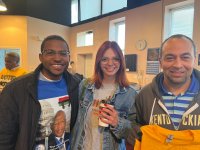
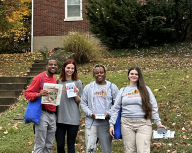
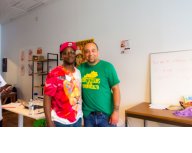
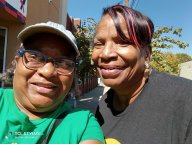
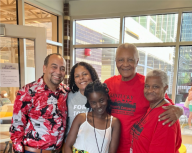
From November 1st to November 4th, Taylor and I met up with TJC’s leadership and freedom riders in Louisville, Frankfort, and Lexington to fellowship and distribute banned books and TJC shirts at community and campus events. On November 5th and 6th, Taylor and I finalized the details of the Election Day campus event. The TJC Freedom Riders helped us feed students, distribute t-shirts, give away free banned books, and encourage students to apply for TJC’s next training, which takes place in Phoenix during April of 2024. Students also had the opportunity to interact with the Hoop Bus, a repurposed school bus with basketball hoops on either side.
It was beautiful to see the whole event come together. I loved watching the Freedom Riders, who came from all around the nation, interact with UofL students to maximize voter turnout. I look forward to future partnerships between KFTC and TJC as we transition into the 2024 Presidential cycle.
- Quincy Robinson, JCKFTC Member